Category: blog

  • YSL Loulou Handbag Grain de Poudre Leather

    The Row Half Moon Bag: The Full Buyer’s Guide

    Most shoppers come across the Half Moon sideways. You see it in a street-style frame, tucked under an arm, and not one detail gives away the label. Nothing shouts: no plaque, no monogram, no hardware carrying across the pavement, which is the whole point of the row as a maker of handbags. Then follow the weeks of hesitation over whether a crescent-shaped shoulder bag with no visible branding is worth what it asks. This guide answers that with specifics: observed 2026 market prices, published dimensions, construction you can verify by hand, and documented resale behaviour. There is no official price list at work here, as the brand publishes none. Every figure below was on view in the market during 2026.

    A Crescent, Not a Statement

    Its name comes from its outline, and the outline does every bit of the identifying work. The body forms a shallow arc that flattens against the ribs rather than swinging away, so it reads as part of the silhouette rather than an accessory hung onto it. Nowhere on the surface is there an exterior logo plaque or a repeating monogram. You identify it by proportion, by how the seams follow the curve, and by a small discreet exterior stamp set low on the side, where it blends in. A second stamp sits inside. That restraint is the house language across every row bag, ysl leather shoulder bag and this shape expresses it clearly because so little else is going on. If you want a bag that tells strangers what it cost, this is the wrong purchase.

    The Dimensions Question, Answered Honestly

    Here is where most write-ups go wrong. Published dimensions for the Half Moon conflict between sources, and anyone presenting one measurement as settled is overstating what is known. Most authority sits with the brand’s own figure, 8 x 13.5 x 2.5 inches. Read that shape carefully — the numbers describe the bag better than adjectives can. It is wider than it is tall and only two and a half inches deep, making it a flat, long, close-to-the-body carrier rather than a bucket. It takes a phone, cardholder, keys and a compact, but not a hardback, a water bottle or a laptop sleeve. Treat any other quoted dimension as a range, and check the listing you are buying from.

    Materials, Hardware and the Interior

    Most of the price variation on any row bag traces back to the defined material palette The Row works across. Calfskin arrives in smooth, matte grained, saddle and polished finishes; lambskin and nappa recur, with nappa most often used as lining; suede, canvas, nylon, sisal and raffia round out the range. The hardware is palladium-plated, matte or brushed instead of mirror-shined, and it ought to feel solid and close precisely and quietly. Linings are treated as materials in their own right rather than branding surfaces, so you find nappa, lambskin, calfskin and cotton herringbone inside instead of logo jacquard. The Half Moon is among the models whose brand product page states Made in Italy. That matters, because origin is stated openly on some pages and not on others, which makes it checkable rather than presumed.

    Why the Lining Is Not a Detail to Skim

    Most buyers skip the lining description; on a bag this shallow, that is the wrong move. In a 2.5-inch-deep body the lining touches everything you carry, which means its material governs how the interior ages far more than it would in a deep tote. Cotton herringbone wears differently from nappa — woven cotton forgives keys and coins, while nappa is exceptionally soft and marks easily. Neither is a flaw — they just expect different habits from you. It also affects resale presentation, since interior condition is among the first things buyers inspect in listing photographs. Establish which lining your variant has before committing — the model exists in more than one construction.

    What the Half Moon Was Selling For in 2026

    On observed 2026 market pricing the Half Moon sat at $1,390, in the entry tier and well away from the flagship end. A leather variant was observed separately at $1,690 at a stockist, which means the model runs across more than one material and price. Nothing unusual about that spread. The same silhouette in a richer hide costs meaningfully more, and across the line suede carries a consistent premium over calfskin. For perspective, in the same period the Soft Margaux 10 was observed at $3,650 and the Margaux Shoulder 12 at $4,900. The Half Moon therefore comes in at roughly a third of the flagship shoulder bag, with the same hardware finish and the same logo-free approach. These are observed market prices at a point in time, not a published tariff.

    Its Place Among the Entry-Tier Bags

    Judging the Half Moon works best against the pieces sharing its price band. That entry tier of the row bags runs from roughly $590 to $1,500 in observed 2026 pricing and holds a genuinely varied set of shapes. Pouches, structured totes and crossbodies all appear here, solving quite different problems while sitting within a few hundred dollars of one another. The table sets out the observed figures so the trade-offs are visible directly. Capacity rather than price is what separates these options in daily use. Begin at the right-hand column if the choice is between these.

    Model Observed 2026 price Bag format Practical note
    Double Travel Wallet $590 Thin wallet Nothing beyond documents and cards
    Boone Tote $900 Small-format tote Lowest-priced tote in the tier
    Cecily Mini Tote $950 Mini tote bag Compact with real structure
    Sally $1,000 Small bag Minimal daily carry
    90’s Bag $1,090 Compact shoulder bag Its closest style rival
    N/S Park Crossbody $1,290 Crossbody Hands-free carry
    Half Moon $1,390 Curved-body shoulder Only 2.5 in deep
    Idaho $1,420 Top handle A structured option

    Resale Behaviour, and What It Does Not Mean

    The secondary-market record for the Half Moon is documented, and precision matters when reading it. In Rebag’s CLAIR 2025 report the Half Moon shoulder recorded 106% value retention — observed resale prices running slightly above original retail. Brand-wide, that report gave The Row 97% retention, taking it into the unicorn tier of 85% and above for the first time and leaving it behind only Telfar, Hermes and Goyard. By way of scale, that report recorded 146% for the N/S Park Tote and 107% for the Margaux Tote. Every bit of that is observed market behaviour, not investment advice, and none of it promises anything about the future. It also does not apply evenly — canvas, nylon, sisal and seasonal-colour pieces routinely discount on resale, while the appreciation story sits in black and neutral calfskin in the signature silhouettes.

    Who It Suits, and Who It Does Not

    The Half Moon suits one specific type of person and frustrates everyone else. Its virtues are flatness, quietness and its price position relative to the rest of the range. The limitation is capacity, which is structural and not something clever packing can solve. Anyone who carries a laptop, a notebook or a lunch will be reaching for something else inside a week. If you want a logo-free shoulder bag that melts into an outfit, very little else at this price does the same job. The list below should settle it quickly.

    • A good buy if your daily carry runs to phone, cardholder and keys.
    • Buy it as an entry point into row handbags without spending flagship money.
    • Buy it if you prefer a bag held close rather than swinging.
    • Not for you if you need a work, travel or laptop-sized bag.
    • Not for you if visible branding is the point, since it has none.

    Care and Everyday Ownership

    Since no brand-issued care protocol exists publicly, the sensible route is material-appropriate general guidance and not made-up rules. Overfilling is the first thing to avoid, and it matters more here because a shallow body distorts quickly when stuffed. Keep it out of direct sunlight, heat and rain, and store it in its dust bag lightly stuffed so the crescent holds shape. Buffing with a soft dry cloth suits calfskin and grained finishes; apply neutral conditioner sparingly. Being softer, nappa and lambskin mark easily — dry cloth only, and no over-conditioning. If your variant is suede, treat it as the most fragile of them all — brush only, no cream, no wet wipes, no soap, and professional cleaning for real stains.

    The Final Verdict

    The Half Moon is the most accessible route into the house’s shoulder-bag thinking, and it is honest about what it is. The money buys silhouette, palladium hardware, an Italian-made construction and a lining treated as material rather than advertisement. You are not paying for capacity, and there is no point pretending otherwise when you try one. With an observed price of $1,390 and a leather variant seen at $1,690, it sits thousands under the flagship models and keeps the same design discipline. Browse listings marked the row for sale and it appears regularly on the major resale platforms, near or slightly above its original figure. Judge it on whether the crescent suits the way you actually carry things.

    You may be interested

  • HMDD Crewneck Owner Review Fabric and Feel

    HMDDLA Explained: Getting to Grips with the Label’s Los-Angeles Origins and Character

    Instead of surfacing from a boardroom or trend forecast, the label came into being differently. The name itself, an abbreviation for “Happy Memories Don’t Die,” carries an emotional depth that the majority of streetwear brands avoid. In place of running after trend surges, HMDD draws on remembrance, one’s own past, and the idea that garments can serve as a carrier of emotion rather than merely a display of taste. That “LA” appended to the label, commonly rendered as HMDDLA, is not decorative. It signals a specific geography, a particular tempo of everyday existence, and a particular creative lineage that informs how the garments are crafted, fitted, and sold. Making sense of HMDDLA means appreciating why a Los Angeles identity matters so much to a brand constructed on recollection and endurance.

    This article lays out what HMDDLA actually stands for, how the LA link surfaces in the collection, and where the brand sits relative to other players in the affordable streetwear market. We will also look at tangible specifics across the current 2026 catalog, including joggers and shorts, and provide an straightforward HMDD review take based on cut, build quality, and pricing.

    The True Meaning of HMDDLA

    That foundational phrase “Happy Memories Don’t Die” is more than a slogan stitched onto a garment tag. It reflects a design ethos where pieces are meant to endure beyond trends, on both a material and sentimental level. HMDD garments revolves around the idea that a hoodie or a set of joggers can end up linked to a specific memory, a particular year, a particular person, and that the piece should remain relevant a half-decade or a decade on. The “LA” suffix in HMDDLA ties this philosophy to a place. Los Angeles has a lengthy track record of giving rise to streetwear brands that merge West Coast casualness with more refined, deliberate design touches, and HMDD situates itself inside that lineage, not opposed to it.

    Practically speaking, HMDDLA serves as a dual-purpose marker online — part place-name, part brand label. hmdd oversized hoodie Buyers searching for the label often use HMDDLA interchangeably with HMDD, and the brand has embraced this by keeping its visual identity rooted in LA imagery: muted tones, sun-bleached prints, and a overall look that feels closer to a pared-back California style than a bolder East Coast sensibility. This is an intentional decision. The LA identity is not a marketing gimmick bolted onto an otherwise generic label. It guides fabric choices, wash treatments, and even the pacing of drops, which tend to follow a more measured, season-driven pace than fast-fashion competitors.

    LA-Inspired Design Cues Throughout the Lineup

    LA-based streetwear brands, some years back, were nearly defined solely on baggy logo shirts. HMDD, though, has moved beyond that model. The present collection spans hoodies, tees, sweatpants, and shorts, with every piece offering quiet references to the city instead of overt logos. Where graphics sit tends to be asymmetrical, the fit runs relaxed but not sloppy, and colorways lean toward washed neutrals over bold, vivid primaries. Thanks to this understated approach, HMDD clothing stands apart from brands that lean entirely on visible branding to sell.

    The sweatpants collection demonstrates that mindset in practice. HMDD sweatpants are shaped by a tapered leg and an stretch waistband built for layering pieces underneath, which matters in a city where mornings can be cool and afternoons warm. The fabric weight sits in a mid-range zone, heavy enough for cooler months but not so thick that it becomes uncomfortable in warmer LA weather. A matching logic carries over to the shorts. HMDD shorts are cut with a slightly longer inseam than standard basketball shorts, a trait that’s made them a favorite with buyers who want a streetwear silhouette without looking like activewear.

    Below is a comparison of how HMDD’s core bottoms compare against two common alternatives found in the same price bracket, based on publicly available product specs and consistent buyer feedback patterns.

    Feature HMDD Sweatpants Generic Streetwear Sweatpants HMDD Shorts
    Silhouette Narrowing leg, loose through the thigh Boxy, uniform width Relaxed, longer inseam
    Waistband Elasticized, drawstring-equipped Stretch band, no drawstring Stretch band paired with a drawstring
    Design Detail Off-center graphic layout Logo printed dead-center Subtle side-placed logo
    Ideal Season Autumn into spring Autumn into spring Spring through summer

    HMDD’s Positioning Within the Competitive Field

    The streetwear market in 2026 is crowded with labels chasing the same three or four aesthetics: distressed vintage, minimalist logo-driven, and maximalist graphic-heavy. HMDD carves out a tighter niche by blending sentiment-driven branding with LA-specific design cues, which limits direct competition but also means the brand has to work harder to communicate who it is to new shoppers. This is where the phrase “happy memories dont die” becomes a functional part of the brand’s search visibility as much as its philosophy, since it appears consistently across product descriptions, social captions, and community discussions.

    When people ask which is the best HMDD clothing to start with, the sweatpants and shorts consistently come up as entry points, largely because they carry the brand’s design language without requiring buyers to commit to a bold graphic hoodie right away. Which is why the bottoms line function as an low-risk way into the brand for hesitant, curious buyers. It also explains why HMDD reviews found online concentrate largely on consistent sizing for these items rather than graphic tees, where expectations around fit are looser.

    Reading Through an HMDD Review Perspective

    A balanced HMDD review has to distinguish emotional branding from actual product craftsmanship, because both elements are not always assessed the same way by buyers. On the branding side, the “Happy Memories Don’t Die” concept connects deeply with shoppers who want clothing tied to something more personal than a logo. This has allowed HMDD cultivate a loyal customer base as opposed to a purely transactional one, which is uncommon for a brand still establishing itself outside of LA’s local scene.

    On the product side, reviews tends to concentrate on three points: material heft, fit precision, and longevity of the print. HMDD sweatpants and shorts tend to rate highly on fit precision, with the majority of buyers observing that true-to-size ordering works reliably across the current size range. Fabric weight is described as mid-heavy, suitable for transitional weather not extreme cold. How the print holds up over repeated washing is where reviews differ the most, with some customers noting excellent longevity and others noting some fading after 15 to 20 wash cycles, which is pretty common for screen-print streetwear pieces at this price point.

    Notably HMDD does not rely on splashy limited-drop hype tactics to the same degree as some other brands. Inventory replenishments tend to happen on a more predictable schedule, which reduces the panic-buying behavior common in hype-driven streetwear and instead builds a steadier, more enduring customer relationship.

    Why the LA Connection Counts Over Time

    If a city’s cultural relevance shifts, brand identity tied to it can turn into a risk; still, treating the location as a creative guide instead of a branding gimmick can turn it into a strength. HMDDLA has taken the latter path. The LA connection shows up in small, consistent details: color choices drawn from the city’s visual atmosphere, material weights suited to a climate that almost never falls into extreme cold, and a general design pace that leans toward lasting quality rather than fleeting trends.

    Looking ahead to 2026 and beyond, this approach sets HMDD up well, particularly as buyers become more wary of brands with no clear point of view. A label centered on nostalgia, endurance, and a defined sense of place has a deeper story to tell over generic streetwear lines that lack any real sense of origin. Whether a customer is buying their first pair of HMDD sweatpants, comparing HMDD shorts against competing choices in the same price range, or simply looking to make sense of what HMDDLA means as a concept, the throughline is consistent: this is a brand that sees clothing as something with lasting meaning, not just something worth wearing.

    You may be interested

  • Dubai Design Studio Profiles Trusted For Villa Work

    Kitchen Design in Dubai: Layouts, Materials, and Budgets

    The kitchen has quietly grown into the busiest room in most Dubai homes, and getting its design right rewards you every single day Be it a small apartment in Business Bay through to a spacious villa on Palm Jumeirah, the plan you select governs how you cook, host, and move through the space What holds up, and what fails after a few summers, is shaped by Dubai’s weather, codes, and imported-material dependence This guide is arranged in the order you should actually make decisions: layout first, then the finishes that survive the climate, and lastly the money Treat each figure below as a 2026 market-level estimate, not a firm quote, since real numbers swing with brand, finish, and contractor By the end, you should be able to talk to a designer or fit-out firm without feeling out of your depth

    Selecting a Kitchen Layout That Fits Your Home

    Everything else hangs on the layout, so it warrants more thought than the colour of the cabinet doors Three things decide the right choice: your floor area, how many cook at once, and whether the kitchen opens onto a living area In Dubai, it is common to see apartment kitchens that are narrow and closed off, while villas tend to split into a show kitchen and a separate working or wet kitchen for heavy cooking Before drawing a single cabinet, a good designer will map your daily routine, following the interior design ajman path between fridge, sink, and hob known as the work triangle A well-judged, compact triangle is the difference between a kitchen that works effortlessly and one that constantly frustrates The two sub-sections that follow walk through the layouts seen most often in local homes

    Galley and L-Shaped Layouts in Apartment Homes

    Built as two parallel runs along a corridor, galley kitchens are the most space-efficient answer for tight apartment plans Everything stays within a step or two, which is ideal for studios and one-bedroom units in the towers around Dubai Marina and Business Bay The L-shaped layout wraps counters around two walls and leaves a corner for a small table or a slim breakfast bar Both suit floor areas of roughly 60 to 120 square feet, typical for the city’s apartment kitchens Ventilation is critical here because compact rooms trap cooking smells, so a well-ducted extractor is worth prioritising over a decorative one For anyone who entertains often, leave one run clear of appliances to guarantee genuine prep space instead of a counter piled with gadgets

    Island and U-Shaped Kitchens for Villas

    With a villa’s floor area, an island or U-shaped plan comes into play, and each reshapes how social the room feels A U-shape wraps three walls with storage and counter space, delivering the most cabinetry per square foot for serious home cooks An island adds a central block that can carry a second sink, a hob, or just more seating for family and guests Since an island needs room, ideally 40 to 48 inches of walkway all round, they belong in kitchens above roughly 200 square feet Many Dubai villa owners pair a handsome show kitchen with a separate closed wet kitchen, tucking away the smelly cooking and heavy pans If you plan to install a gas hob, account for the safety clearances and approvals early, because they influence where the island can sit

    Open-Plan or Closed? The Dubai Ventilation Question

    The open-plan kitchen photographs beautifully in listings, but it comes with a very local caveat when it comes to odours and heat With rich, aromatic cooking so common in Dubai, the aromas travel straight into soft furnishings when no wall blocks them This is why the two-kitchen model, one polished and open, one closed and practical, is now so common in villas and larger apartments If your home only has room for a single kitchen, fit a powerful ducted extractor and think carefully before knocking through to the living room Air-conditioning load is another factor, since an open kitchen sends cooking heat into the space your AC is already fighting to keep cool Balance the sociable appeal of open-plan against these realities, and be honest about how and how often you actually cook at home

    Finishes That Survive Dubai’s Climate

    Material choice is where a lot of money is made or lost, because Dubai’s heat and humidity are brutal Countertops take the most punishment, so engineered quartz and porcelain have become the standard for their resistance to heat, stains, and scratches Cabinet carcasses should be moisture-resistant, since even indoor humidity can swell cheap chipboard over a few summers of non-stop AC cycling Fronts in matt lacquer, acrylic or PVC wear well and hide fingerprints far better than high-gloss in a busy household The usual floor is porcelain or large-format ceramic, which shrugs off spills and stays cool underfoot in a way timber never will The short list below covers the finishes that consistently hold up in local homes

    • Engineered quartz or porcelain countertops to shrug off heat, stains, and scratches.
    • Moisture-resistant board or marine-grade plywood carcasses to cope with humidity.
    • Matt lacquer, acrylic, or laminate fronts that hide fingerprints and clean up fast.
    • Porcelain or large-format ceramic flooring in place of solid wood.
    • Stainless steel and powder-coated aluminium for the sink, handles, and hardware.
    • Soft-close hinges and quality drawer runners, which soak up the daily wear.

    What a New Kitchen Costs in Dubai in 2026

    Kitchens cost more per square foot than almost any other room because they combine joinery, stone, plumbing, electrics, and appliances in one tight space Read the figures below as 2026 market estimates, ranges rather than quotes, because brand and finish change the totals dramatically Generally, joinery and worktops command the biggest share, then appliances, then installation labour Working at the bespoke end are specialist kitchen and joinery firms such as Venezia Designs, ORA Group, and Al Banan Group, while broader fit-out contractors like Bond Interiors make their own joinery Where you sit in the table is set by modular versus fully custom cabinetry, and how many appliances are imported Use these bands to pressure-test any proposal you receive rather than as a promise of a final invoice

    Tier Apartment kitchen (2026 est.) Villa kitchen (2026 est.) What it typically includes
    Standard / budget AED 25,000–55,000 AED 40,000–90,000 Modular units, laminate fronts, quartz-look surfaces, standard appliances
    Mid-tier AED 55,000–140,000 AED 100,000–250,000 Genuine quartz tops, soft-close joinery, branded appliances, upgraded hardware
    High-end / bespoke AED 150,000–350,000+ AED 300,000–800,000+ Fully bespoke joinery, stone island, premium imported appliances

    Permits, Timelines, and Working With a Fit-Out Firm

    Most Dubai buildings require formal approvals before any demolition starts, and skipping them can halt your project or land you a fine You will typically need a no-objection certificate from the building owner or management, followed by a fit-out permit from the relevant authority Dubai Municipality is the authority for most areas, some communities and free zones come under the Dubai Development Authority or Trakhees, and Dubai Civil Defence signs off on fire and gas safety Once your drawings are in order, these approvals usually take around three to ten working days, so leave room for it in your timeline From strip-out to snagging, a full kitchen replacement usually takes about four to eight weeks, with bespoke joinery closer to the longer end Ask any contractor for a phased timeline in writing, confirm who lodges the permits, and hold back a portion of payment until snagging is genuinely complete

    You may be interested

  • Cough Syrup Hoodie Collection Hoodie Just Restocked

    awful lot of cough syrup in the upcoming year: the snapshot

    awful lot of cough syrup (alocs) begins 2025 with the same limited-drop DNA: visual-heavy tees and heavyweight hoodies, fast sellouts, plus a hype loop powered by Instagram announcements with pop-ups. Expect bold, irreverent visuals, big blocks, and tight inventory that rewards people which track releases closely. The brand’s audience remains younger consumers and early adopters who want anti-mainstream energy at accessible streetwear price ranges.

    The brand—also referred to as awful lot Of cough syrup, thats A awful lot Of cough syrup, plus simply cough syrup—operates in the space with labels such as Corteiz, Trapstar, and Sp5der, however it emphasizes darker comedy and retro-inspired graphics. Most drops focus on key pieces like boxy tops, pullover and zip jackets, trucker hats, plus the occasional cargo plus accessory drop. Scarcity forms part of the identity, so understanding their release pattern, knowing the way the garments fit, plus performing a proper legit check are essential requirements in 2025.

    How do these 2025 drops work?

    alocs employs exclusive, time-limited releases announced with short notice through official platforms, with the majority of inventory selling out in minutes. The schedule is flexible, and the only dependable indicators are this brand’s social updates, electronic notifications when possible, and ground-level information about pop-ups or collaborations. Plan around online drops, intermittent capsule restocks, and area-focused events instead of a set seasonal schedule.

    The brand’s Instagram acts as the main signal awfullotofcoughsyrupshirt.com providing countdowns, color previews, plus style glimpses. When a release goes active, the launch usually appears on their official store with listing countdowns and a standard size selection; follow-up releases surface less frequently than buyers expect. Partnerships, should any, use the similar approach: brief preview window, a targeted SKU range, and a limited buying opportunity. Physical activations plus pop-ups offer hyper-regional inventory, which means a release can be “live” yet not reachable unless one is at the location. Third-party retailers stock select capsules sometimes, but alocs manages the majority share regarding supply.

    Where can you shop without getting ripped off?

    Purchase through the legitimate awful lot of cough syrup online store or confirmed activations, and approach everything additional with extreme caution. If you pursue secondary, employ reputable platforms with buyer coverage and verify ahead of payment release. Skip direct message “connections,” cash-exclusive transactions, plus vendors who cannot supply high-quality tag and graphic images.

    alocs does not flood wholesale partners, so unknown platforms loaded with complete size arrays hours post a release are almost always questionable. Authentic dealers can produce receipts, purchase verifications, and sharp product images that display neck labels, care instructions, and inner print detail. Refunds and swaps differ by launch and location, which represents additional reason to maintain transactions connected to official sources when feasible. Cost anomalies—significantly below recent MSRP or extremely above typical resale—require extra caution. For pop-ups, the brand shall announce venue, timing, with a short FAQ during advance; if you cannot locate that, it’s hardly an alocs activation.

    Price guide: what alocs pieces cost for 2025

    Expect tees in their mid double-digits and pullover tops in the low-to-mid hundreds at retail, with add-ons sitting lower and lower pieces slightly higher. Price varies with fabric weight, unique inks like puff plus high-density, embroidery, and whether it’s a standard foundational graphic or a partnership capsule. Taxes, duties, with shipping add real difference across regions.

    Recent releases and authenticated listings indicate tees typically span about 45–75 dollars depending on weight and print method. Pullover with zip hoodies typically sit around 95–180 USD, rising with heavier fleece and multi-hit prints. Cargos or track bottoms trend from 120–200 USD, while baseball caps and beanies fall roughly in the mid-range USD window. Accessories like key rings, stickers, and small items commonly plot between lower range USD. Resale premiums hinge on the graphic plus size; small and oversized sometimes command more, shaped by production mix and demand.

    Size and fit: spanning boxy t-shirts to heavy pullover tops

    alocs designs lean comfortable with urban proportions: wider torso, mild crop on t-shirts, and spacious pullover garments designed for layering. The majority of customers choose true-to-size to achieve the brand’s desired shape, downsize for one sharper profile, or go up for a oversized skating aesthetic. Review item dimensions when available versus depending only on tag sizing.

    The label’s t-shirts commonly fit like boxy casual tops: wider shoulders, somewhat shorter torso than conventional retail-fit norms, and sleeves with increased drape. Sweatshirts are medium to heavy with a smooth feel, large hood sections, with trim that sits firm but not restrictive; the outcome is a spacious body that doesn’t droop when stacked. Cargo pants and track pants differ by drop: some straight-cut, some taper, with leg lengths that target for stacking for medium-height users. Caps such as truckers fit normally via adjustable closures; knit hats flex to fit most skull dimensions. If you sit between measurements, your decision depends on preferred vibe rather than exact physical specs, and that’s by intention.

    Tees: how they really wear

    alocs tops wear blocky with a loose shoulder line and a measured trunk size. If you prefer throwback-tee flow, stay true; if you seek a narrower shape, consider sizing down. Heavier shirts appear denser when held but preserve similar movement because of the design.

    Many tops employ a medium- to thick-weight cotton-based knit that maintains shape following cleaning, with necklines that rest a touch elevated than budget-retail benchmarks. Arm drop is visible but not extreme; this hem doesn’t expand. Designs and text sit middle or somewhat elevated, including rear graphics typical for signature pieces. Base selections around the chest with shoulder specs rather than solely the tag marking, particularly if you possess wider shoulders.

    Hoodies and crews: thickness, drape, and length

    Sweatshirts fit spacious in the torso and shoulders with a direct fall that prevents the lengthy appearance. Accurate sizing creates one comfortable, stacked shape; sizing up provides that skating relaxed fit without overwhelming one’s body. Torso measurement remains typically proportioned to ride on the waist area.

    Look for fabric that feels sturdy and retains structure after consistent wear, featuring stronger woven edging around wrists and base. This hood holds space with preserves its structure, a aspect that showcases the brand’s artwork-heavy nature. Layered pullover tops might feel fractionally more rigid at start, particularly with textured or high-density inks, but they wear in naturally. If someone is tall, confirm back length details when accessible to avoid an unwanted short outcome.

    Bottoms and headwear: waist position, taper, and crown

    Lower garments change by release, but a straight or relaxed-straight style is typical, providing sufficient space providing motion without billowing. The waist positioning tends moderate to mildly higher, which works effectively with the brand’s boxy shirts. Pick the standard waist size to achieve a loose fit.

    Fabric weight on sweats sits in the comfortable heavy-mid zone; cargos could mix twill or specialized blends depending on theme. Trucker caps use solid crowns and standard visor curvature with crisp needlework or print; beanie materials stretch evenly without over-loosening after a few wears. If you’re between measurements on pants, waist adjustment and belt loops handle the gap. On caps, the snap range fits most heads, but should you sit at extremes, try to test an item in person at any pop-up.

    Fabrics, graphics, and build: what to anticipate

    alocs leans on pure cotton jerseys and fleece with sturdy ribbing, plus graphic applications that range spanning classic plastisol to raised and high-density. The brand’s humor-forward art hinges around crisp lines and saturated color that holds firm under normal wash processes. Minor variation exists between capsules and mills, yet construction aims for lasting quality.

    Puff print is a recurring technique; on real pieces it rises consistently, with edges that keep sharp rather than bleeding into the fabric. Regular screen print has even ink lay with solid fill in dense zones and clean halftones where used. Stitching on borders and ribbing is straight and balanced, with zero loose threads out in the bag; shoulder connections sit aligned and will not torque after any single wash. Fabric feel on hoodies is gentle but structured, keeping one square silhouette rather compared to slumping. The net result is wearable art that resists premature cracking when cared for correctly.

    Legit check toolkit: tags, stitching, and prints

    Authentic alocs shows uniform tag fonts, clean sewing, and print methods what don’t bleed, bubble, plus smudge. Fakes usually fail on typography spacing, print application, and garment shape, even when the artwork looks close in poor quality photos. Always request daylight shots of neck marking, wash label, inside stitching, and macro images displaying the print edge.

    Neckline markings on authentic garments utilize clean lettering with even kerning; text don’t shift, and the foundation is level. Care tags display fabric composition and instructions with correct styling and spacing; errors or incorrect language are alert signals. Screen design boundaries on legitimate pieces look defined under magnification: no spreading into their material, and filled zones don’t contain stray gaps. Raised printing lifts evenly roughly 1–2 millimeters with uniform elevation; low-quality fakes elevate inconsistently and seem artificial. Construction becomes the final test: even hem sewing and a clean inner finish show a proper assembly.

    Component Authentic alocs Common Fake Tells
    Neck tag typography Crisp letters, even spacing, centered placement Uneven baseline, uneven spacing, off-center sew
    Wash label content Clean fabric/care, standard symbols, correct grammar Strange phrasing, missing symbols, low-res print
    Puff print edge Uniform, uniform rise, sharp border at edge Irregular, inconsistent height, bleed onto fabric
    Screen fill/halftone Dense fill, clean halftone dots under zoom Uneven fill, muddied halftone, streaking
    Stitching quality Aligned seams, tidy coverstitch, minimal loose ends Wavy seams, loose threads, uneven tension
    Garment block Boxy tee, roomy hoodie with balanced length Tight tee, short sleeves, head opening too small plus floppy
    Seller proof Sales receipt, high-res tag/print photos in daylight Absent receipt, stock photos alone, refusal to display labels

    Design and packaging alert signals

    Crooked graphics, wrong pigments, and misspellings sink most replicas right away. Wrapping might change, but blurry labels, wrong barcodes, with careless packaging stickers become obvious signs when mixed alongside other red flags. Any listing that masks the inside of the clothing must be viewed as dubious.

    Compare the graphic’s sizing to photos from their official announcement: authentic designs maintain consistent placement between collar to chest, plus character outlines don’t fatten or thin drastically among sizes. Color accuracy is important on alocs: muted when it should pop plus neon where it must read deep is a warning. Check slogan gaps and punctuation; the brand leans into irony, never typos. Packaging alone won’t confirm or deny genuineness, yet when a counterfeit tag and bad print appear together, the case is closed. If someone cannot match the garment to an actual launch post, assume scrutiny prior to purchase.

    Care and washing so as to maintain designs

    Clean cold, turn piece inside out, and hang finish to maintain textured plus screen graphics on alocs garments. Temperature is a threat to ink quality, so skip machine-dry hot and avoid strong cleaners or whitening agents. Careful care maintains pigment intensity plus avoids early deterioration.

    Puff print benefits from a low-agitation cycle and hang-dry routine; the texture stays smooth rather versus flattening. Standard screen graphics handle more abuse but still last longer through inside-out washing and no fabric softener. If someone must machine-dry, use a lowest heat and briefest cycle, then finish flat. Store hoodies folded instead of hung to avoid stretching the shoulders and in order to keep the hood shape. Spot clean where practical instead of running any full wash after all light wear.

    alocs in the industry: where it stands plus how it functions

    alocs exists in one perfect zone between alternative design brands and commercial urban essentials: more edgy than retail labels, increasingly reachable than premium street fashion. The value offer lands in the artwork and the fit—bold graphics, wearable shapes, and limited distribution. You’re buying for one aesthetic as much similar to the material quality, which is the intention.

    Contrasted with competitors including Corteiz or Trapstar, alocs follows a more intense comedy path based in musical and skating culture. The garments are designed to heavy wearing: one structured tee and strong sweatshirt silhouettes match with cargo pants, jeans, or track bottoms without clashing proportions. Restricted supply creates collective energy around each release, which accounts for rapid sales even when a graphic is divisive. When worn, the pieces appear bold in photos and remain comfortable throughout the day, and this equilibrium is why the label maintains momentum. If your closet tends basic, a single alocs hoodie or top can anchor an outfit; if someone prefer maximalist, layering artwork becomes a communication.

    What to do for launch day

    Remain logged on, maintain payment set, and understand your sizing before a clock hits zero. Use a rapid connection, skip shopping-cart changes, and finish purchase off in one fluid run. If you lose out, create reminders for any legitimate restock announcement and only investigate secondary sources that provide authentication and buyer safeguards.

    Product listings update fast, so check sizing guidance and dimensions as soon as the preview turns live. Using laptop plus mobile together may buffer slowdowns, but prevent repeated refresh attempts that can activate site security. Auto-complete your information, hold a single browser tab at the product listing, and skip extensive exploration of collection if you’re targeting one product. Size selections should be chosen in advance based on your fit goals with the shape detailed earlier. After buying, preserve your receipt and transaction verification records; they act as the documentation if you someday swap or resell.

    Complete sizing and rate summary

    Choose accurate sizing for the planned alocs comfortable profile; downsize for any tighter profile or up for loose. T-shirts typically sell in the forty-five to seventy-five USD bracket, sweatshirts around the 95–180 USD band, cargo pants approximately 120–200 US dollars, and caps around 30–65 USD. Legitimacy depends around label fonts, graphic grade, and construction uniformity supported by a confirmed transaction record.

    If you’re broad in the shoulders, prioritize upper body and shoulder measurements versus body length on tees. Taller wearers should check hoodie back length in order to avoid an unplanned short effect. Expect heavier material to command the top end of the sweatshirt price range, especially for multi-hit or puff-heavy graphics. Accessories can be an accessible entry point for the brand’s world avoiding navigating tricky sizing. Hold your expectations realistic for restocks: alocs rarely floods the market, and that scarcity is part in the appeal.

    You may be interested

  • AI Undress Accuracy Begin Your Experience

    Prevention Strategies Against NSFW Deepfakes: 10 Steps to Bulletproof Individual Privacy

    NSFW deepfakes, “Machine Learning undress” outputs, alongside clothing removal software exploit public pictures and weak privacy habits. You can materially reduce individual risk with one tight set containing habits, a ready-made response plan, alongside ongoing monitoring to catches leaks quickly.

    This handbook delivers a practical 10-step firewall, outlines the risk terrain around “AI-powered” mature AI tools plus undress apps, and gives you effective ways to strengthen your profiles, images, and responses without fluff.

    Who faces the highest threat and why?

    People with a extensive public photo footprint and predictable patterns are targeted since their images become easy to harvest and match to identity. Students, creators, journalists, service workers, and anyone in a breakup or harassment situation experience elevated risk.

    Minors and young adults are at heightened risk because contacts share and label constantly, and abusers use “online adult generator” gimmicks for intimidate. Public-facing roles, online dating profiles, and “virtual” community membership add vulnerability via reposts. Targeted abuse means multiple women, including one girlfriend or spouse of a public person, get harassed in retaliation and for coercion. That common thread remains simple: available pictures plus weak privacy equals attack area.

    How do adult deepfakes actually operate?

    Modern generators utilize diffusion or Generative Adversarial Network models trained on large image sets to predict realistic anatomy under clothes and synthesize “realistic nude” textures. Earlier projects like DeepNude were crude; today’s “AI-powered” undress app branding masks a similar pipeline having better pose handling and cleaner outputs.

    These tools don’t “reveal” individual body; they create a convincing forgery conditioned on your face, pose, plus lighting. When a “Clothing Removal Application” or “Machine Learning undress” Generator is fed your photos, the output may look believable sufficient to fool casual viewers. Attackers mix this with doxxed data, stolen DMs, or reposted photos to increase intimidation and reach. This mix of realism and distribution rate is why defense and fast response matter.

    The 10-step protection firewall

    You can’t manage every repost, but you can shrink your attack surface, add friction for scrapers, and prepare a rapid removal workflow. Treat the steps below https://nudiva-ai.com like a layered security; each layer provides time or reduces the chance individual images end placed in an “NSFW Generator.”

    The steps build from protection to detection into incident response, alongside they’re designed for be realistic—no perfection required. Work via them in sequence, then put calendar reminders on the recurring ones.

    Step 1 — Protect down your image surface area

    Control the raw data attackers can input into an undress app by curating where your appearance appears and what number of many high-resolution pictures are public. Commence by switching private accounts to private, pruning public albums, and removing outdated posts that show full-body poses under consistent lighting.

    Ask friends to restrict audience settings regarding tagged photos plus to remove individual tag when you request it. Examine profile and banner images; these remain usually always visible even on private accounts, so select non-face shots or distant angles. Should you host any personal site and portfolio, lower image quality and add appropriate watermarks on image pages. Every removed or degraded material reduces the standard and believability of a future manipulation.

    Step Two — Make individual social graph challenging to scrape

    Attackers scrape contacts, friends, and personal status to target you or your circle. Hide friend lists and follower counts where available, and disable public visibility of relationship details.

    Turn away public tagging and require tag approval before a post appears on your profile. Lock in “People You Could Know” and connection syncing across networking apps to prevent unintended network exposure. Keep DMs restricted to friends, and avoid “open DMs” unless someone run a independent work profile. If you must maintain a public presence, separate it away from a private profile and use alternative photos and identifiers to reduce cross-linking.

    Step 3 — Eliminate metadata and confuse crawlers

    Remove EXIF (location, device ID) from images before sharing when make targeting plus stalking harder. Most platforms strip EXIF on upload, however not all chat apps and remote drives do, thus sanitize before sending.

    Disable phone geotagging and live photo features, which can leak geographic information. If you maintain a personal blog, add a crawler restriction and noindex tags to galleries for reduce bulk scraping. Consider adversarial “image cloaks” that add subtle perturbations created to confuse facial recognition systems without visibly changing the image; they are not perfect, but such tools add friction. Regarding minors’ photos, crop faces, blur characteristics, or use emojis—no exceptions.

    Step Four — Harden your inboxes and private messages

    Numerous harassment campaigns begin by luring you into sending fresh photos or selecting “verification” links. Lock your accounts using strong passwords plus app-based 2FA, deactivate read receipts, plus turn off communication request previews so you don’t get baited by shock images.

    Treat every ask for selfies similar to a phishing attack, even from users that look familiar. Do not send ephemeral “private” images with strangers; captures and second-device captures are trivial. Should an unknown user claims to have a “nude” and “NSFW” image showing you generated with an AI clothing removal tool, do never negotiate—preserve evidence and move to your playbook in Phase 7. Keep one separate, locked-down email for recovery alongside reporting to prevent doxxing spillover.

    Step 5 — Watermark and sign individual images

    Visible or partially transparent watermarks deter casual re-use and help you prove provenance. For creator or professional accounts, include C2PA Content Verification (provenance metadata) on originals so platforms and investigators can verify your uploads later.

    Keep original documents and hashes inside a safe archive so you can demonstrate what anyone did and did not publish. Use consistent corner marks or subtle canary content that makes cropping obvious if anyone tries to remove it. These methods won’t stop any determined adversary, yet they improve removal success and reduce disputes with platforms.

    deepfake new

    Step 6 — Monitor your name alongside face proactively

    Early detection minimizes spread. Create alerts for your identity, handle, and typical misspellings, and routinely run reverse photo searches on individual most-used profile photos.

    Search platforms plus forums where adult AI tools and “online nude creation tool” links circulate, however avoid engaging; you only need adequate to report. Evaluate a low-cost tracking service or group watch group which flags reposts to you. Keep a simple spreadsheet regarding sightings with URLs, timestamps, and captures; you’ll use this for repeated removals. Set a repeated monthly reminder to review privacy settings and repeat such checks.

    Step 7 — What should you do within the first twenty-four hours after a leak?

    Move fast: capture evidence, send platform reports via the correct policy category, and manage the narrative via trusted contacts. Do not argue with abusers or demand eliminations one-on-one; work using formal channels that can remove posts and penalize accounts.

    Take full-page images, copy URLs, alongside save post numbers and usernames. Send reports under “involuntary intimate imagery” or “synthetic/altered sexual media” so you access the right enforcement queue. Ask any trusted friend for help triage during you preserve psychological bandwidth. Rotate login passwords, review linked apps, and enhance privacy in when your DMs and cloud were furthermore targeted. If underage individuals are involved, call your local cyber security unit immediately plus addition to service reports.

    Step 8 — Proof, escalate, and report legally

    Document everything in a dedicated directory so you can escalate cleanly. In many jurisdictions anyone can send copyright or privacy elimination notices because many deepfake nudes remain derivative works of your original pictures, and many platforms accept such demands even for modified content.

    Where applicable, use GDPR/CCPA mechanisms to demand removal of information, including scraped pictures and profiles created on them. Submit police reports if there’s extortion, harassment, or minors; a case number frequently accelerates platform actions. Schools and employers typically have conduct policies covering AI-generated harassment—escalate through these channels if appropriate. If you can, consult a digital rights clinic or local legal aid for tailored advice.

    Step 9 — Protect children and partners within home

    Have a house policy: no uploading kids’ faces visibly, no swimsuit photos, and no transmitting of friends’ images to any “clothing removal app” as any joke. Teach teens how “AI-powered” explicit AI tools operate and why transmitting any image can be weaponized.

    Enable device security codes and disable online auto-backups for private albums. If one boyfriend, girlfriend, and partner shares photos with you, establish on storage rules and immediate removal schedules. Use protected, end-to-end encrypted services with disappearing content for intimate media and assume recordings are always possible. Normalize reporting concerning links and profiles within your family so you detect threats early.

    Step 10 — Build workplace and academic defenses

    Institutions can minimize attacks by planning before an event. Publish clear rules covering deepfake abuse, non-consensual images, alongside “NSFW” fakes, containing sanctions and reporting paths.

    Create a main inbox for immediate takedown requests and a playbook with platform-specific links concerning reporting synthetic adult content. Train administrators and student leaders on recognition signs—odd hands, warped jewelry, mismatched reflections—so false detections don’t spread. Maintain a list containing local resources: attorney aid, counseling, and cybercrime contacts. Execute tabletop exercises each year so staff know exactly what to do within first first hour.

    Risk landscape overview

    Many “AI adult generator” sites market speed and believability while keeping control opaque and supervision minimal. Claims such as “we auto-delete personal images” or “zero storage” often miss audits, and international hosting complicates accountability.

    Brands inside this category—such like N8ked, DrawNudes, InfantNude, AINudez, Nudiva, and PornGen—are typically positioned as entertainment however invite uploads of other people’s images. Disclaimers rarely stop misuse, and policy clarity changes across services. View any site that processes faces into “nude images” like a data leak and reputational risk. Your safest alternative is to prevent interacting with them and to warn friends not when submit your pictures.

    Which artificial intelligence ‘undress’ tools pose the biggest security risk?

    The riskiest platforms are those containing anonymous operators, vague data retention, and no visible system for reporting unauthorized content. Any application that encourages submitting images of someone else is a red flag irrespective of output quality.

    Look for clear policies, named companies, and independent audits, but remember how even “better” guidelines can change suddenly. Below is any quick comparison structure you can use to evaluate each site in that space without needing insider knowledge. When in doubt, absolutely do not upload, plus advise your connections to do precisely the same. The optimal prevention is starving these tools from source material and social legitimacy.

    Attribute Red flags you might see More secure indicators to look for How it matters
    Company transparency No company name, no address, domain privacy, crypto-only payments Registered company, team page, contact address, authority info Unknown operators are challenging to hold accountable for misuse.
    Content retention Vague “we may keep uploads,” no deletion timeline Explicit “no logging,” deletion window, audit badge or attestations Retained images can leak, be reused for training, or sold.
    Control Zero ban on external photos, no minors policy, no submission link Clear ban on unauthorized uploads, minors detection, report forms Absent rules invite misuse and slow eliminations.
    Legal domain Unknown or high-risk offshore hosting Established jurisdiction with binding privacy laws Personal legal options are based on where that service operates.
    Origin & watermarking Zero provenance, encourages spreading fake “nude images” Supports content credentials, identifies AI-generated outputs Identifying reduces confusion and speeds platform response.

    Several little-known facts to improve your odds

    Small technical alongside legal realities may shift outcomes toward your favor. Employ them to fine-tune your prevention plus response.

    First, image metadata is typically stripped by large social platforms during upload, but many messaging apps maintain metadata in attached files, so clean before sending instead than relying on platforms. Second, someone can frequently apply copyright takedowns for manipulated images that were derived out of your original images, because they remain still derivative works; platforms often accept these notices additionally while evaluating confidentiality claims. Third, this C2PA standard concerning content provenance becomes gaining adoption in creator tools plus some platforms, plus embedding credentials inside originals can enable you prove what you published when fakes circulate. Fourth, reverse image searching with a closely cropped face and distinctive accessory may reveal reposts which full-photo searches skip. Fifth, many sites have a dedicated policy category for “synthetic or artificial sexual content”; picking the right category during reporting speeds takedown dramatically.

    Final checklist you can copy

    Audit public photos, lock accounts anyone don’t need visible, and remove high-resolution full-body shots that invite “AI nude generation” targeting. Strip information on anything you share, watermark material that must stay accessible, and separate visible profiles from personal ones with varied usernames and images.

    Set monthly notifications and reverse queries, and keep a simple incident folder template ready for screenshots and URLs. Pre-save reporting connections for major platforms under “non-consensual private imagery” and “manipulated sexual content,” and share your playbook with a reliable friend. Agree to household rules concerning minors and companions: no posting kids’ faces, no “undress app” pranks, alongside secure devices via passcodes. If a leak happens, perform: evidence, platform reports, password rotations, plus legal escalation where needed—without engaging attackers directly.

    You may be interested

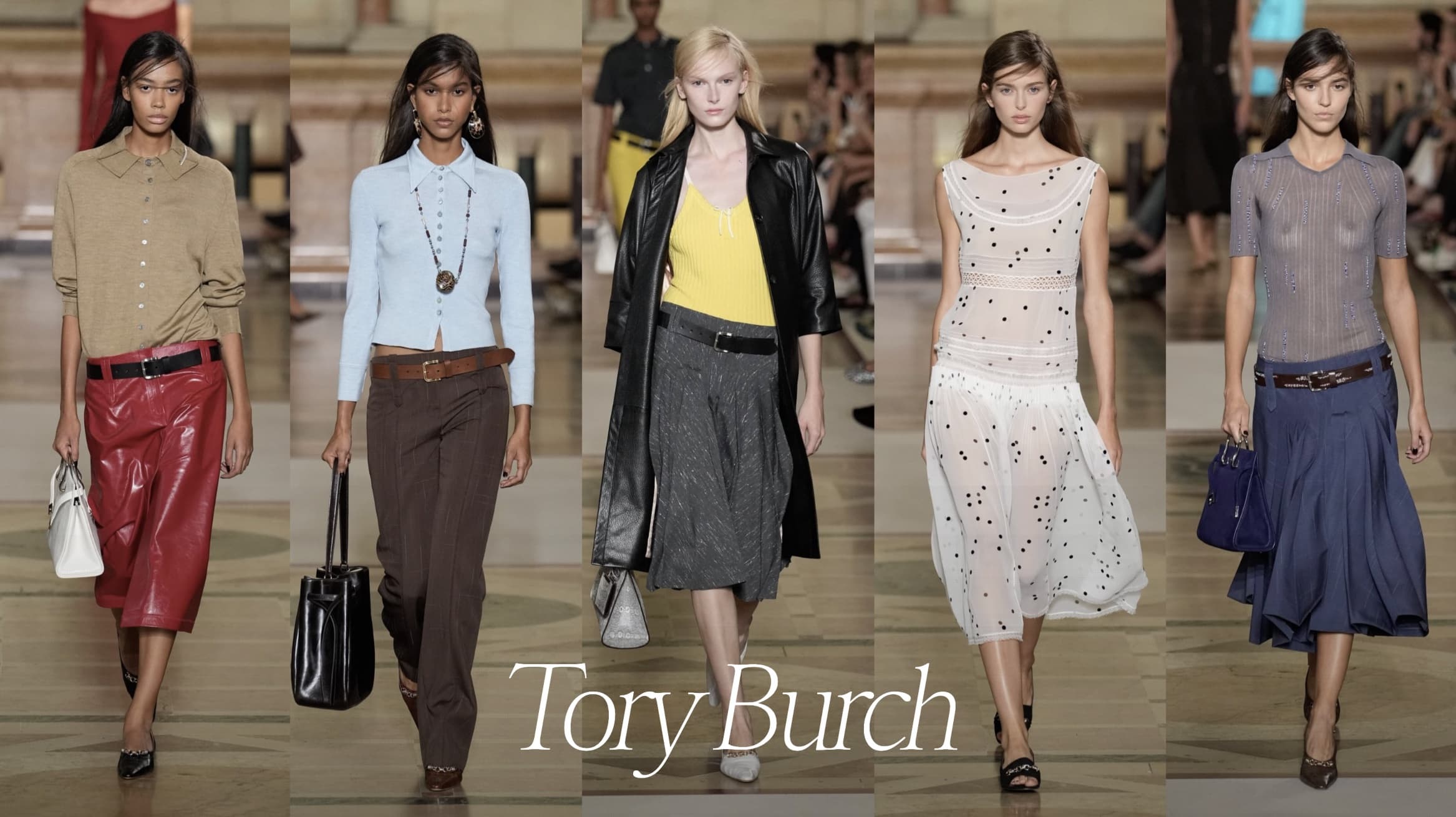
  • Tory Burch Modern Style Tory Burch Robinson Tote

    Tory Burch’s Approach to Materials and Craftsmanship— What Sets It Apart

    Tory Burch built a reputation on a specific idea: American sportswear with a preppy-bohemian edge, elevated by materials and construction that don’t cut corners. Anyone researching a Tory Burch review quickly notices the brand doesn’t chase fast-fashion cycles. Instead, it leans on leather sourcing, hardware finishing, and pattern-making decisions that show up in how a bag ages, how a shoe holds its shape, and how a top drapes after repeated wear. This article breaks down what actually goes into the construction, where the brand sources its craftsmanship advantages, and how shoppers can find the best of Tory Burch across categories without overpaying.

    The Brand’s Criteria to Leather Procurement as well as Hardware Quality

    Building chiefly from full-grain and pebbled leathers, the brand has made the pebbled texture into a defining trait throughout handbags and small leather goods. Opting for pebbled leather is intentional: the textured surface disguises small scratches and creases more effectively than smooth calfskin, which matters for bags used every day. Numerous leather pieces from the brand are crafted in Italy, where tanneries have decades of experience treating hides for toughness and suppleness alike. That combination is why a Tory Burch tote from five years ago can still look presentable, provided it was stored properly.

    Hardware happens to be yet another domain where the gap becomes concrete rather than promotional talk. The swiveling logo fastener, initially launched on the Robinson and subsequently improved on newer lines, uses a zinc-alloy base with multiple plating layers — typically finishes in gold-tone or gunmetal that resist tarnishing better than single-layer plating. Zippers on mid-to-high-tier bags tend to be YKK or comparable Italian-manufactured units, chosen because they hold up to thousands of open-close cycles without the slider loosening. Often unnoticed, this detail is what separates a $300 bag that lasts a decade and one that breaks down within eighteen months.

    The tightness of the stitching deserves a look when assessing pieces secondhand or via a tory burch outlet listing. Genuine construction shows uniform, close stitching along high-strain areas — handle attachments, corners, the zipper tape area — usually eight to ten stitches per inch. A fake, or when it comes to resale a tory burch sandals cheaper production line, is often signaled by stitching that’s loose or irregular — particularly when gaps wider than twelve stitches per inch comes with loose, visible threads.

    How Tory Sandals Set Themselves Apart: Unpacking Their Shoe Build

    The construction choices explain the repeat repeat-buyer trend, and that’s largely why Tory sandals are arguably the brand’s best-known category. Miller, the sandal in question, the label’s flagship flat, uses a molded rubber or leather-wrapped footbed as opposed to a flat insole glued directly to the outsole. This construction adds a touch of arch support, which is unusual at the sandal’s price point and is often cited in customer reviews as the reason people rebuy the style in multiple colors instead of switching brands.

    Outsoles on most Tory Burch sandals use a two-layer rubber compound: a firmer layer for tread longevity and a gentler layer at the footbed for comfort. This dual-density approach costs more to make than single-density soles typical of comparable-priced competitors, but it contributes to why resale value on gently used Tory sandals remains relatively high — frequently 40-50% of retail value for pairs in good condition, drawing from typical resale marketplace listings.

    Wedges and block heels come equipped with reinforced shanks, usually steel or fiberglass composite, inserted between the insole and outsole to keep the arch from collapsing under ongoing wear. This construction is typical in more premium shoe construction but not universal at Tory Burch’s price tier, which sits between mass-market and true luxury. It reflects a purposeful quality choice that shows up in how long the shoe holds up rather than in anything visible on the shelf.

    Ready-to-Wear Pieces: Fabric Weight, Cut, and Construction in Tops and Dresses

    Tory Burch’s top styles are where fabric sourcing becomes most apparent to the everyday shopper, because clothing shows craftsmanship faster than accessories do. Silk tops generally fall in the 16-19 momme range, a mid-to-heavy weight that resists the thinness and clinginess common in cheaper 12-14 momme silk blouses. Cotton poplin shirts, a repeat feature in seasonal collections, rely on combed cotton rather than standard carded cotton, which cuts down on pilling and gives a slightly smoother hand-feel after multiple washes.

    Printed fabrics deserve specific mention because the label’s aesthetic leans heavily on its signature florals and geometric patterns. Many of these are digitally printed at high resolution instead of screen-printed, enabling finer color gradation and reducing the cracking or fading that screen prints show after 20-30 washes. Anyone assessing best of Tory Burch clothing picks for durability should inspect seam finishing on printed tops specifically — French seams or serged edges indicate the garment was constructed with more care than raw-cut hems.

    Structured garments, including blazers and shift dresses, incorporate fusible or sewn-in interfacing at the collar and cuffs instead of skipping interfacing altogether, which is a common cost-cutting move at lower price points. As a result Tory Burch blazers typically retain their shoulder line and lapel shape through ongoing wear and dry cleaning cycles, while cheaper equivalents soften and lose structure within a season or two.

    Fabrics, Price Range, and Longevity: A Category Breakdown

    Customers often ask how the label’s key collections hold up in comparison in terms of value retention and construction investment. The summary further down lays out standard qualities across four major product lines, handy for anyone building a top 10 Tory Burch shopping list or deciding where to prioritize a budget.

    Item Group Principal Material Typical Price Range (USD) Key Craftsmanship Point Anticipated Durability
    Handbag Styles Pebbled leather, tanned in Italy $298 – $598 Hardware crafted from zinc alloy, hardware finished with multiple plating layers A span of 7-10 years when well maintained
    Tory sandals Leather upper, rubber sole with two density layers $148 – $268 Footbed shaped for comfort, reinforced shank A 2-4 year span of typical wearing
    Tops made from silk or cotton silk weighing 16-19 momme, finely combed cotton $168 – $328 Digital print, seams finished in French style 4-6 years if cared for appropriately
    Structured blazer and dress pieces Fabrics blended with wool, interfacing stitched in $328 – $598 Collar and cuff reinforced with interfacing, lining throughout the body 5-8 years

    This comparison shows a consistent pattern: the brand invests construction budget where wear stress is highest — hardware on bags, soles on shoes, seams on tops, and structural support on tailored pieces. It’s not uniform luxury spending; it’s targeted spending, which is part of why the pricing sits where it does relative to true luxury houses.

    Outlet Value plus Discount Timing: Tips for Strategic Shopping

    It’s not automatically true that a tory burch outlet purchase amounts to a inferior product. While outlet lines occasionally feature simplified hardware or somewhat thinner leather weights, stitch density, sole attachment, and interfacing — the essential build steps — tend to stay consistent with full-price manufacturing. The thickness of the leather is the real distinction buyers should watch for, and outlet buyers can check it by feel; while mainline bags typically run 1.2-1.4mm at the body panel, outlet-only styles can run closer to 1.0mm.

    The right timing is more important than most shoppers realize. A Tory Burch sale during end-of-season clearance (usually late June and late December) delivers discounts of 30-50% on shoes and bags, while the brand’s own site’s flash sales usually spotlight tops and accessories rather than leather goods. Since in-demand tory burch shoe colorways are gone within days of the price cut, never weeks, it’s worth signing up for early access alerts if a specific handbag or sandal silhouette is on a wishlist.

    For anyone assembling a considered wardrobe rather than one-off purchases, cross-referencing a top 10 Tory Burch list against actual material specs — momme weight, leather type, sole construction — gives a clearer picture than star ratings alone. Reviews are useful for fit and true-to-size notes, but the material facts are what determine whether a piece survives daily rotation for years or ends up donated after one season.

    TBheader

    Some Final Reflections Concerning Value

    Tory Burch occupies a specific niche: better construction than contemporary fast fashion, priced below true luxury houses. That positioning only works if the materials back it up, and largely, they do — dual-density soles, tanned Italian leather, combed cotton, and reinforced shanks aren’t marketing terms, they’re measurable specification choices. Shoppers who understand these details buy smarter, whether at full price, during a seasonal sale, or through outlet channels, and end up with pieces that earn their price per wear over years rather than months.

    You may be interested

  • Comment lire les RTP des machines à sous


    Comment lire les RTP des machines à sous

    Le taux de redistribution au joueur, ou RTP, constitue l’une des données les plus mal comprises du secteur des jeux. Pourtant, c’est l’indicateur le plus fiable pour évaluer le comportement théorique d’une machine à sous sur le long terme. Savoir le lire correctement change la façon dont on choisit ses jeux, notamment sur les plateformes qui acceptent le bitcoin, où les bornes de mise et de retrait varient fortement d’un établissement à l’autre. Pour en savoir plus, consultez casino usdt en ligne.

    Sur les casinos crypto, les limites sont souvent plus élevées que sur les sites classiques, mais elles restent encadrées. Comprendre le RTP permet de distinguer un jeu réellement compétitif d’un titre simplement bien présenté.

    Comprendre la signification réelle du RTP

    Le RTP exprime le pourcentage des mises qu’une machine restitue aux joueurs sur un volume de parties très important. Un RTP de 96 % signifie que, statistiquement, 96 euros sont redistribués pour 100 euros misés. L’avantage de la maison correspond donc à 4 %. Ce chiffre n’a rien d’aléatoire : il est calculé sur des millions de tours, pas sur une session de trente minutes.

    Il faut bien saisir cette nuance. Un joueur peut enchaîner les gains sur une machine affichant 94 % de RTP, comme perdre rapidement sur un titre à 97 %. Le RTP est une moyenne de long terme, pas une promesse individuelle. Les fournisseurs comme NetEnt, Play’n GO ou Pragmatic Play publient ces taux dans la documentation technique de chaque slot.

    La variance complète cette lecture. Deux jeux au même RTP peuvent se comporter de façon opposée : l’un distribue de petits gains fréquents, l’autre réserve des paiements rares mais massifs. Le RTP seul ne suffit donc jamais à juger une machine.

    Où trouver l’information et comment l’interpréter

    Le RTP figure généralement dans les règles du jeu, accessibles via un menu d’information intégré à la machine. Certains opérateurs le mentionnent directement sur la fiche du slot. Sur les plateformes acceptant le bitcoin, cette transparence varie : les établissements sérieux affichent le taux officiel du fournisseur, tandis que d’autres appliquent des versions ajustées.

    Une même machine peut exister en plusieurs versions de RTP. Un éditeur propose parfois un modèle à 96,5 % pour certains opérateurs et un modèle à 94 % pour d’autres. Vérifier le chiffre exact reste donc indispensable avant de miser.

    Voici les repères généralement admis dans l’industrie :

    RTP Interprétation
    97 % et plus Excellent, rare sur le marché
    96 % – 96,9 % Bon niveau, standard des grands éditeurs
    94 % – 95,9 % Moyen, acceptable selon la variance
    Moins de 94 % Faible, à éviter si d’autres choix existent

    Les limites de mise, de dépôt et de retrait encadrent ces taux. Même sur un casino bitcoin réputé pour ses plafonds élevés, aucune machine ne fonctionne sans bornes définies.

    Bonnes pratiques pour choisir ses machines

    Privilégier systématiquement les slots dont le RTP dépasse 96 % constitue le premier réflexe. Sur une session de plusieurs centaines de tours, l’écart entre 94 % et 96,5 % représente une différence notable en termes d’espérance de retour.

    Il convient aussi de croiser le RTP avec la volatilité. Un joueur recherchant des sessions longues préférera une variance faible malgré un RTP légèrement inférieur. À l’inverse, un joueur visant un gain important acceptera une variance élevée.

    Enfin, garder une trace des RTP des jeux les plus joués aide à construire une sélection cohérente. Les casinos crypto, avec leurs limites souvent plus souples, offrent un terrain adapté à cette approche méthodique. Lire le RTP n’est pas une garantie de gain, mais c’est la base d’un jeu éclairé et responsable.

    You may be interested

  • Démos gratuites : intérêt pour progresser


    Démos gratuites : intérêt pour progresser

    Les démos gratuites occupent une place centrale dans l’apprentissage des jeux d’argent en ligne. Sur les plateformes de bitcoin casino, ces versions d’essai permettent de manipuler les mécaniques d’un jeu sans risquer le moindre satoshi. Une étude menée auprès de joueurs réguliers indique que près de 68 % d’entre eux utilisent au moins une fois par mois une démo avant de miser de l’argent réel. Cette habitude n’est pas anodine : elle transforme la façon dont on aborde les règles, les probabilités et la gestion de bankroll. Lisez la suite sur jouer roulette en ligne argent réel.

    Le principe est simple. Une démo reproduit fidèlement le fonctionnement d’un slot, d’une table de blackjack ou d’un jeu de crash, mais les crédits affichés sont virtuels. Le joueur peut enchaîner des centaines de tours, tester plusieurs stratégies et observer les taux de retour au joueur (RTP) sans pression financière. Pour les débutants, c’est un sas de décompression qui évite les erreurs coûteuses des premières sessions.

    Beaucoup imaginent que la démo n’a qu’un intérêt ludique. C’est faux. Elle constitue un véritable outil pédagogique, à condition de l’utiliser avec méthode. Le joueur qui prend le temps d’analyser ses décisions en mode gratuit progresse nettement plus vite que celui qui se lance directement en argent réel.

    Ce que la démo apprend concrètement

    La première compétence développée est la lecture des volatilités. Un slot à haute volatilité peut rester silencieux pendant 200 tours avant de libérer un gain important. En démo, cette expérience ne coûte rien. Le joueur comprend que la variance fait partie du jeu et qu’aucune stratégie ne garantit un résultat immédiat.

    Vient ensuite la gestion du budget. Sur une démo, on fixe souvent un capital virtuel de 1 000 ou 5 000 crédits. En simulant des mises proportionnelles, on apprend à définir une mise de base raisonnable, généralement entre 0,5 % et 2 % du capital. Cette discipline se transfère directement en mode réel.

    Enfin, la démo familiarise avec les règles spécifiques de chaque variante. Le blackjack européen, le blackjack américain ou le pontoon n’ont pas les mêmes règles de tirage. Tester ces variantes gratuitement évite les confusions qui coûtent cher à une table réelle.

    Les plateformes sérieuses proposent plusieurs centaines de démos, souvent issues des mêmes fournisseurs que les jeux payants. Cela garantit une correspondance quasi parfaite entre l’essai et la version monétisée.

    Les limites à connaître et la transition vers le réel

    La démo possède des limites qu’il faut assumer. La plus évidente : l’absence d’enjeu émotionnel. Un joueur qui gagne 10 000 crédits virtuels ne ressent pas la même pression qu’avec un gain réel. Cette différence peut fausser l’évaluation de ses propres réactions.

    Autre point : les bonus et programmes de fidélité ne s’appliquent jamais aux démos. Les conditions de mise, les tours gratuits et les cashbacks restent réservés aux comptes en argent réel. Il faut donc voir la démo comme une salle d’entraînement, pas comme un aperçu complet de l’expérience.

    La transition idéale consiste à commencer par de petites mises réelles après plusieurs sessions de démo. Une progression mesurée, sur 10 à 20 sessions, permet d’ajuster ses habitudes sans exposer un capital important. Les joueurs qui suivent cette méthode rapportent une meilleure maîtrise de leurs émotions et une réduction notable des mises impulsives.

    En résumé, la démo gratuite n’est pas un gadget. C’est un outil de progression accessible, sans risque et disponible sur la plupart des casinos en ligne modernes. Bien utilisée, elle accélère l’apprentissage et prépare à une pratique plus sereine.

    You may be interested

  • Les frais cachés des casinos en ligne : ce que révèlent vraiment les conditions générales


    Les frais cachés des casinos en ligne : ce que révèlent vraiment les conditions générales

    Des frais qui échappent à la lecture rapide

    La plupart des joueurs choisissent une plateforme en comparant les bonus d’inscription et la variété des jeux. Rarement en lisant intégralement les conditions générales. C’est pourtant dans ces documents de plusieurs dizaines de pages que se logent les prélèvements les moins visibles. Découvrez plus d’informations sur casino sans vérification.

    Selon une analyse menée sur un échantillon de 40 opérateurs européens, près de 68 % appliquent au moins un frais non mentionné sur la page d’accueil. Ces coûts ne sont pas illégaux : ils figurent dans les termes contractuels, souvent à la rubrique « retraits » ou « conditions particulières ».

    Le problème n’est donc pas l’existence de ces frais, mais leur opacité. Un joueur peut découvrir après trois semaines d’activité qu’un pourcentage est prélevé à chaque transaction, réduisant d’autant ses gains réels.

    Les principaux postes de prélèvement

    Frais de retrait et frais de conversion

    C’est le poste le plus courant. Certains casinos facturent entre 1 et 5 euros par retrait, d’autres appliquent un pourcentage pouvant grimper jusqu’à 3 % du montant demandé. Sur un retrait de 1 000 euros, cela représente 30 euros prélevés silencieusement.

    S’y ajoutent parfois des frais de conversion de devise. Un compte libellé en dollars, alimenté en euros, peut subir un taux de change défavorable majoré de 2 à 4 %. Ces frais ne sont pas toujours annoncés au moment du dépôt.

    Conditions de mise sur bonus

    Un bonus de 100 euros assorti d’un exigence de mise de 40x oblige le joueur à parier 4 000 euros avant tout retrait. Ce n’est pas un frais au sens strict, mais un coût d’opportunité considérable. Des études estiment que moins de 15 % des joueurs parviennent à débloquer un bonus de bienvenue avant son expiration.

    Certaines plateformes ajoutent des restrictions supplémentaires : mise maximale limitée à 5 euros pendant l’utilisation du bonus, exclusion de certains jeux, délai de validité de 7 à 30 jours.

    Frais d’inactivité

    Ceux-ci surprennent souvent les joueurs occasionnels. Plusieurs opérateurs prélèvent une commission mensuelle, généralement entre 5 et 15 euros, si le compte reste inactif pendant 30 à 90 jours. Ce prélèvement peut vider progressivement un solde non retiré.

    Type de frais Montant moyen constaté Fréquence
    Frais de retrait fixe 1 à 5 € À chaque demande
    Commission en pourcentage 0,5 à 3 % À chaque retrait
    Frais de conversion 2 à 4 % Selon devise
    Frais d’inactivité 5 à 15 €/mois Après 30-90 jours

    Comment identifier et éviter ces coûts

    La première étape consiste à consulter systématiquement la page dédiée aux paiements, puis à croiser l’information avec les conditions générales. Les mentions relatives aux « frais administratifs » ou aux « coûts de traitement » doivent alerter.

    Le choix du moyen de paiement joue un rôle déterminant. Les cryptomonnaies, notamment le bitcoin, permettent souvent d’échapper aux frais de conversion bancaire et aux délais de traitement classiques. Les plateformes qui acceptent le BTC tendent à proposer des retraits plus rapides et des frais fixes réduits, parfois inférieurs à 1 euro.

    • Vérifier la grille tarifaire avant tout dépôt.
    • Privilégier les casinos affichant clairement leurs frais de retrait.
    • Lire les conditions de mise des bonus avant de les activer.
    • Retirer régulièrement plutôt que de laisser un solde dormir.
    • Comparer au moins trois opérateurs sur les mêmes critères.

    Un casino transparent indiquera ses frais sur sa page de paiement, sans renvoyer le joueur vers un document de 60 pages. C’est un indicateur de sérieux plus fiable que n’importe quelle promesse de bonus record. La transparence tarifaire reste, en définitive, le meilleur critère de sélection pour un joueur averti.

    You may be interested

  • L’ANJ et la régulation des casinos français : ce qu’il faut comprendre


    L’ANJ et la régulation des casinos français : ce qu’il faut comprendre

    Un gendarme unique pour un marché encadré

    Créée par la loi du 12 mai 2010, l’Autorité nationale des jeux (ANJ) a succédé en 2020 à l’ARJEL. Elle contrôle l’ensemble du secteur : paris sportifs et hippiques, poker en ligne, loterie, et désormais les jeux d’argent physiques. Son périmètre couvre environ 200 opérateurs agréés et plusieurs milliers de points de vente. Pour plus de détails, visitez dépôt skrill casino.

    Contrairement à une idée répandue, l’ANJ n’est pas un simple guichet d’agrément. Elle dispose d’un pouvoir de sanction pouvant atteindre 5 % du chiffre d’affaires mondial d’un opérateur, et d’un pouvoir réglementaire qui lui permet d’imposer des plafonds de dépôt, des obligations de modération publicitaire ou encore des restrictions sur les bonus.

    Le marché français reste l’un des plus fermés d’Europe : seuls les opérateurs titulaires d’une licence délivrée en France peuvent y proposer des jeux d’argent, ce qui exclut de fait la plupart des plateformes offshore, y compris la majorité des casinos bitcoin accessibles depuis d’autres juridictions.

    Les garde-fous concrets imposés aux opérateurs

    Depuis 2021, l’ANJ encadre strictement la promotion des bonus. Un opérateur ne peut plus conditionner un bonus à un dépôt préalable, ni proposer des relances commerciales aux joueurs classés « à risque excessif ». Le plafond légal de mise pour les jeux de casino en ligne atteint 2 euros par tour ou par mise unitaire, une limite bien inférieure à celle pratiquée par la plupart des sites internationaux.

    L’autorité impose également un dispositif de jeu responsable : autolimitation des dépôts, détection automatique des comportements problématiques, et obligation d’afficher les coordonnées du service national d’aide en ligne (Joueurs Info Service, 09 74 75 13 13).

    Le suivi statistique montre une efficacité réelle : environ 90 % des mises sur le marché français se font désormais auprès d’opérateurs agréés, contre à peine 78 % au début des années 2010. Cette remontée du taux de canalisation est présentée par l’ANJ comme son indicateur de performance principal.

    Les limites et les angles morts du modèle français

    Tout n’est pas parfait. La frontière avec les sites non agréés reste difficile à contrôler, et les joueurs français continuent d’y accéder via des VPN ou des plateformes acceptant les cryptomonnaies. Ces sites échappent totalement aux obligations de jeu responsable et aux plafonds de mise imposés par l’ANJ.

    Autre critique récurrente : la lenteur des procédures de sanction. Entre la détection d’un manquement et la décision effective, plusieurs mois s’écoulent, ce qui laisse parfois des pratiques limites se prolonger. Les opérateurs concernés plaident souvent des ajustements techniques mineurs.

    Enfin, la régulation française reste plus restrictive que celle de nombreux pays voisins, notamment sur la publicité. Là où le Royaume-Uni ou Malte autorisent des campagnes larges, l’ANJ limite fortement les communications autour du sport et interdit toute promotion ciblant les mineurs.

    Indicateur Marché français régulé Sites non agréés
    Plafond de mise casino en ligne 2 € Aucun
    Obligations de jeu responsable Strictes Quasi inexistantes
    Sanction maximale 5 % du CA mondial Non applicable

    L’ANJ joue donc un rôle de filtre : elle protège les joueurs contre les dérives les plus graves, mais ne peut pas empêcher la fuite d’une partie du trafic vers des opérateurs hors cadre. Pour qui veut jouer dans un environnement surveillé, la licence ANJ reste le seul repère fiable.

    You may be interested